When considering the charm of home décor, a Rustic Side Table stands out for its unique blend of functionality and aesthetic appeal. Renowned interior designer Michael Smith once stated, “A rustic side table can bring warmth and character to any room.” This kind of table typically features natural wood finishes, rugged textures, and often, an artisanal touch.
Choosing the right Rustic Side Table can enhance your space while reflecting your personal style. The variations in wood types, colors, and designs can make this decision complex. It’s essential to find a piece that not only serves a purpose but also complements existing furniture. The table should fit your lifestyle, whether you need it for a cozy reading nook or as a statement piece.
Keep in mind that imperfections in rustic furniture can sometimes be a drawback. However, these unique flaws add character and tell a story. Embracing these quirks can lead to a more personalized and authentic decor experience. A well-chosen Rustic Side Table can be the perfect blend of utility and artistry.
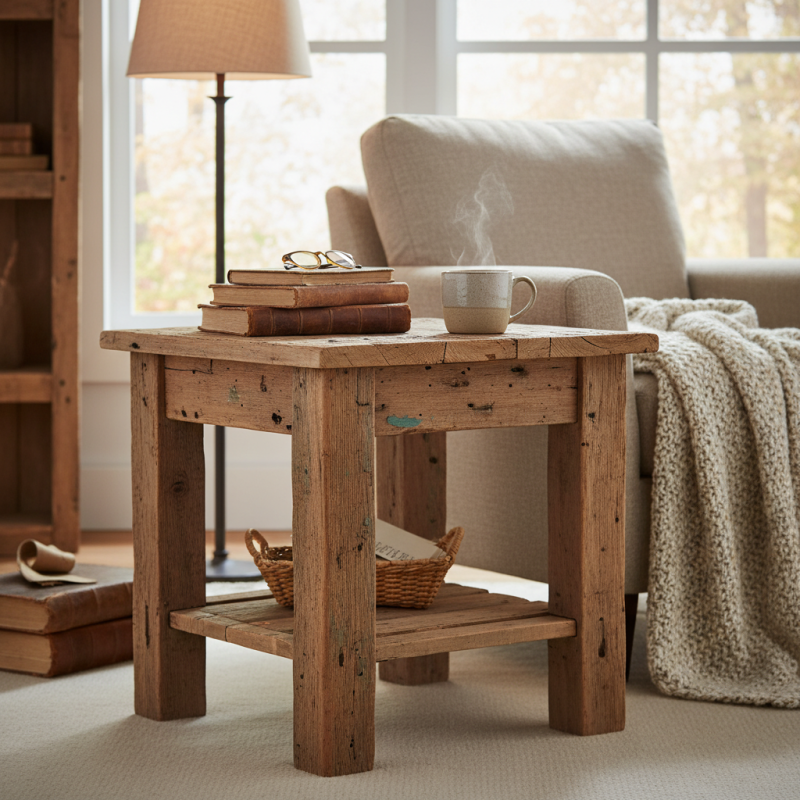
Definition and Characteristics of a Rustic Side Table
Rustic side tables are a beautiful blend of charm and functionality. By definition, these tables are typically crafted from natural materials. Wood, particularly reclaimed or distressed varieties, is a common choice. Their rough-hewn edges and textured finishes evoke a sense of warmth and authenticity. According to a 2022 report by the Home Furnishings Association, rustic furniture sales increased by 15% in the last year, highlighting a growing consumer demand for cozy, homey interiors.
The characteristics of rustic side tables are distinct. They often feature intricate craftsmanship that showcases the natural grain of the wood. A rustic side table may include elements like knots, uneven surfaces, and even natural stains. This adds to its character but also makes consistency a challenge. A table that looks perfect in a showroom might feel out of place in a lived-in home. Therefore, while seeking authenticity, buyers should consider how imperfections might complement their existing decor.
Moreover, size and proportion are crucial when selecting a rustic side table. The ideal table should harmonize with accompanying furniture. Too large can overwhelm a small space; too small can seem insignificant. The right choice balances aesthetics with utility, making it a centerpiece rather than an afterthought. Quality craftsmanship is essential, so consumers should check for durability alongside visual appeal.
Materials Commonly Used in Rustic Side Tables
Rustic side tables often evoke a warm, inviting aesthetic. They typically utilize natural materials that enhance their charm. Commonly, wood is the primary choice. Reclaimed wood is particularly popular. It adds history and character to each piece. Each table tells a story through its unique grains and knots.
Metal accents can complement wooden tables. Iron or steel legs provide sturdy support. They also add a touch of industrial style. This blend creates visual interest that many homeowners love. It’s common to see wood and metal combined effectively.
Stone is another material frequently used in rustic designs. A solid stone top can create a striking centerpiece. It offers durability while maintaining a natural feel. Some tables incorporate live edges, highlighting the stone’s raw beauty. Authentic rustic furniture often celebrates imperfections and unique features. Each flaw can enhance its charm and character. This makes choosing the right rustic side table a journey of personal taste and emotional connection.
Design Styles and Aesthetics of Rustic Side Tables
Rustic side tables blend natural beauty with functional design. They often feature materials like reclaimed wood, metal, or stone. This gives them a unique character that fits various interior styles. According to a recent market report, the demand for rustic furniture has surged by 25% over the past year. This trend indicates a growing appreciation for authentic, handcrafted items that tell a story.
In terms of design aesthetics, rustic side tables often showcase imperfect finishes, which enhance their charm. Distressed wood and uneven surfaces can create visual interest. However, some may find this look hard to match with more modern decor. Therefore, it’s crucial to consider your existing space before making a choice. Textures like woven baskets or natural fibers can complement these tables well. Aim for a cohesive look that balances rustic elements with contemporary touches for an inviting atmosphere.
Choosing the right rustic side table involves more than just looks. Think about functionality, size, and placement. A table that is too bulky may overwhelm a small space. Meanwhile, a table that is too delicate might not serve its purpose well. Reflect on how you will use the table. Will it hold a lamp, books, or decorative pieces? Each choice impacts the overall vibe of your room. Be mindful of these details to ensure your rustic side table enhances your home aesthetic effectively.
Rustic Side Table Styles and Popular Materials
Tips for Choosing the Right Rustic Side Table for Your Space
When choosing a rustic side table, consider the wood type. Solid hardwoods like oak or maple ensure durability. A 2022 report highlighted that 70% of consumers prefer natural wood for its look and longevity. The grain pattern adds character while enhancing the rustic vibe in your home.
Measure your space before selecting a table. A well-proportioned piece will enhance the overall aesthetic. The ideal height aligns with your seating. Ensure it’s accessible but not intrusive. Expert designers recommend a clearance of at least 12 inches between the table and your sofa. This small detail can significantly improve your living area’s flow.
Consider your style preferences as well. Rustic can vary from farmhouse to industrial. Each style has its features that provide a different ambiance. Reflecting on how a table will integrate with your decor is crucial. Look for imperfections in the wood; they add uniqueness. Remember, not every table will be a perfect fit at first glance, but with the right consideration, you can find a piece that truly resonates with your space.
Care and Maintenance of Rustic Side Tables
When it comes to rustic side tables, care and maintenance are key to preserving their charm. Wood is often the main material used, which requires specific attention. Regular cleaning is essential. Use a soft, damp cloth to remove dust and debris. Avoid harsh chemicals that can damage the finish. A mixture of mild soap and water works well for deeper cleaning. Wipe off excess moisture promptly to prevent warping or discoloration.
Periodic polishing keeps the wood vibrant. Choose a natural beeswax or a furniture polish designed for wooden surfaces. Apply sparingly and buff with a soft cloth to enhance shine without making the surface slippery. Sunlight can cause fading over time, so consider placing the table away from direct sunlight. If your rustic side table shows scratches or dents, minor repairs can be done. Fill in gaps with wood filler and sand gently for a smooth finish.
Routine checks for any loose joints or wobbling legs can prevent larger issues. Tightening screws or reinforcing connections ensures stability. Reflect on whether your rustic table fits your space well. Consider its functionality and aesthetic appeal regularly. Rustics can be imperfect, and embracing these character traits adds to their story.
What is a Rustic Side Table and How to Choose the Best One? - Care and Maintenance of Rustic Side Tables
| Feature |
Description |
Care Instructions |
| Material |
Typically made from reclaimed wood, metal, or stone. |
Wipe with a damp cloth, avoid harsh chemicals. |
| Design Style |
Has a rugged, charming look with natural imperfections. |
Use coasters to protect surfaces and minimize water marks. |
| Size Variations |
Available in various heights and widths to fit different spaces. |
Check dimensions carefully before purchase. |
| Functionality |
Can serve as a coffee table, bedside table, or decorative piece. |
Regularly check for stability and tighten screws if necessary. |
| Aesthetic Appeal |
Adds warmth and character to any room. |
Dust regularly to maintain appearance. |
Conclusion
A Rustic Side Table is a charming and functional piece of furniture that embodies a warm, organic aesthetic, often characterized by natural wood finishes, distressed textures, and an overall casual design. Common materials used in these tables include reclaimed wood, iron, and stone, contributing to their durability and authentic rustic appeal. The design styles of rustic side tables can vary greatly, from farmhouse to cabin-inspired looks, fitting seamlessly into various home decors.
When selecting the best Rustic Side Table for your space, consider factors such as size, height, and color to ensure it complements your existing furniture. Maintaining these tables typically involves simple care routines, like dusting and applying wood conditioner, to preserve their natural beauty. By understanding these aspects, you can find a Rustic Side Table that not only enhances your living area but also serves your practical needs.

 Jiayu
Jiayu