When selecting the ideal Fluted Side Table for your home, understanding design and functionality is crucial. Renowned interior designer Sarah Thompson emphasizes, "The right fluted side table can transform your space beyond mere aesthetics." With their unique texture and versatility, fluted side tables blend elegance with practicality.
Choosing a Fluted Side Table involves more than just style. You should consider the size, material, and the overall ambiance of your room. A well-chosen table enhances your decor while providing utility. Yet, many homeowners overlook these factors, leading to mismatches.
Visual appeal matters, but so does comfort and flow within your space. A Fluted Side Table should complement your furnishings, not compete with them. Sometimes, the decision is less about trends and more about personal connection. Reflecting on your choices can lead to a table that feels truly yours.
Factors to Consider When Choosing a Fluted Side Table
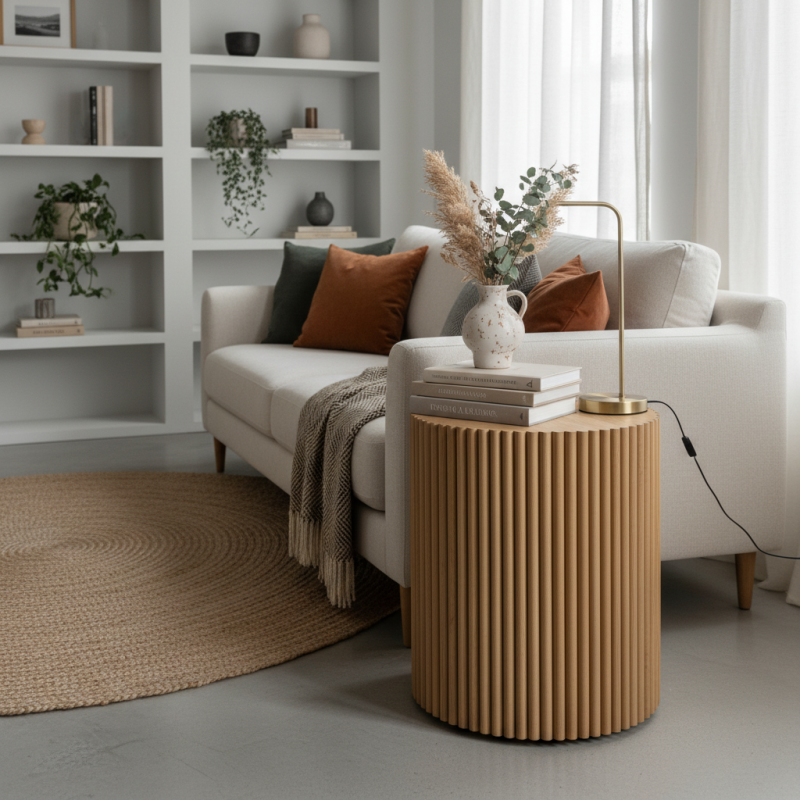
When selecting a fluted side table for your home, consider the space it will occupy. A narrow table fits well beside a sofa. In contrast, a wider table can serve as a statement piece in a large room. Measure your area to ensure it won’t overcrowd the space. Think about the height too. It should align with your seating for easy access.
Material is another critical aspect to ponder. A wooden table offers warmth, while metal brings modernity. The texture of the fluting also affects its overall appeal. Smooth fluting looks sleek, while deeper grooves evoke a rustic charm. Reflect on your current decor. What complements it best? Don’t just follow trends; choose what resonates with you.
Moreover, colors matter significantly. Neutral shades blend seamlessly into various styles. Bold colors can create a focal point. However, consider if you might tire of a vibrant hue. Test samples in your space before making a decision.
Finally, think about functionality. Will it hold a lamp, books, or drinks? The table must meet practical needs as well.
Different Styles of Fluted Side Tables for Various Home Décors
Fluted side tables are a stylish addition to any home décor. They bring texture and elegance, enhancing the overall aesthetic. Various styles cater to different interior themes, making them quite versatile. According to a recent industry report, fluted designs are gaining popularity, with a 30% increase in demand over the past year. This trend reflects homeowners' desire for unique yet functional furniture.
For a modern look, opt for sleek, minimalist fluted tables in neutral colors. They seamlessly blend with contemporary décor. In contrast, bohemian styles can benefit from vibrant, patterned fluted tables. These pieces add character and a touch of creativity to the space. A study from the Interior Design Society indicates that homeowners often choose furniture that highlights their personal style, showing that fluted tables can meet this need.
While fluted side tables are appealing, selecting the right one can be challenging. Size and proportion matter greatly in any living space. A small room may feel cramped with a large table, while a spacious area might benefit from a statement piece. It's crucial to consider both aesthetics and functionality. Balancing these elements can be complex, yet the right choice can transform your home.
Materials and Finishes: What to Look for in a Fluted Side Table
When selecting a fluted side table, the materials and finishes greatly influence its overall appeal.
Wood is a classic choice, providing warmth and durability.
Look for solid woods like oak or walnut. They’re not only sturdy but can also be easily refinished.
However, softer woods may scratch more easily and require more care.
Metal finishes can offer a modern touch.
Brass or brushed nickel adds a contemporary vibe. Yet, be mindful of fingerprints
and how they might show on smoother surfaces. Glass tops can enhance light flow, making the room feel more spacious.
However, they can also be fragile and require regular cleaning to maintain visibility.
Consider the finish as well. Matte finishes hide fingerprints and wear better than glossy finishes.
But gloss can add a sophisticated shine, catching light beautifully. Reflect on your lifestyle.
Do you have pets or children?
This consideration can help shape your final decision.
Choosing the perfect fluted side table is about balancing aesthetics with functionality.
Sizing Your Fluted Side Table: Dimensions and Proportions Matter
Choosing the right size for your fluted side table is crucial. Dimensions can greatly influence your space's aesthetic and functionality. A table that is too tall can overwhelm a room, while one that is too short may not be practical. Standard height ranges from 18 to 24 inches. This ensures it aligns perfectly with your seating.
Proportions matter too. Consider the table's width and depth. A side table should complement your sofa or chair without competing for attention. If your couch is spacious, a wider table can create balance. However, a narrow table might be more suitable for smaller setups. Take the time to measure your space. This helps you visualize arrangements better.
Sometimes it’s not just about size, but also the relationship between elements in your room. For instance, a tall lamp beside a short table can feel disjointed. Reflecting on these aspects can lead to a more harmonious design. Experiment with various heights and placements before making a decision. A good side table should be functional yet visually appealing. Don't rush the process; let your space guide you.
Budgeting for Your Fluted Side Table: Finding Affordable Options
When budgeting for a fluted side table, it's essential to set a realistic price range. Many stylish options exist, but quality can vary significantly. Research local furniture stores and online marketplaces for the best deals. Sometimes, handcrafted tables offer better value than mass-produced pieces. Look for sales and discounts to stretch your budget.
Consider materials as well. A solid wood table may cost more but offers durability and a timeless look. Alternatively, plastic or metal options can be budget-friendly. Each material has its pros and cons, so weigh your choices carefully. Remember, spending a little extra may pay off in the long run with increased lifespan.
Finding affordable options might be challenging. Free or low-cost furniture swaps can yield hidden gems. Explore thrift stores and estate sales; they often have unique tables at low prices. Keep an open mind about styles and colors. A little creativity in refurbishing can transform a simple table into a statement piece. Don't shy away from imperfections; they often add character to a home.
FAQS
: Consider the space, height, and material of the table. Measure your area to avoid overcrowding.
Wood adds warmth; metal offers modernity. Think about what best suits your decor style.
Colors significantly affect aesthetics. Neutral shades blend well, while bold hues create focal points.
Size impacts both aesthetics and functionality. Ensure it aligns well with your seating height.
Reflect on usage—will it hold a lamp or drinks? Choose based on its functionality.
Options range from sleek modern designs to vibrant bohemian styles, catering to various tastes.
Measuring helps visualize arrangements. Avoid tables that feel out of place or overcrowd the room.
Test samples in your home. This helps ensure that you won't tire of a vibrant shade quickly.
Aim for harmony between aesthetics and functionality. Sometimes, the perfect choice is not immediately clear.
Fluting texture affects aesthetic appeal. Smooth surfaces look sleek, while deeper grooves may evoke a rustic charm.
Conclusion
When choosing the perfect fluted side table for your home, several factors come into play. First, consider the overall style of your décor, as fluted side tables come in various designs that can complement different aesthetics, from modern to vintage. The materials and finishes chosen also significantly impact both durability and visual appeal, so look for quality options that align with your taste.
Sizing is another crucial element; ensure that the dimensions and proportions of the fluted side table fit well within your space. Lastly, budgeting is important—there are many affordable options available that do not compromise on style. By keeping these considerations in mind, you can select a fluted side table that enhances your home while being functional and stylish.

 Jiayu
Jiayu