In today's home design landscape, decorative lighting plays a crucial role in enhancing both aesthetics and functionality. According to a report by the American Lighting Association, over 62% of homeowners consider lighting as a vital element of their home makeover. Decorative lighting not only illuminates spaces but also sets the mood and adds character. A well-placed chandelier can transform a dull dining area into an inviting focal point.
The importance of choosing the right decorative lighting extends beyond mere beauty. Effective lighting can make spaces feel larger and more welcoming. According to the National Kitchen and Bath Association, 49% of homeowners opt for layered lighting techniques, combining ambient, task, and decorative elements. This suggests that homeowners increasingly recognize the need for variety in their lighting choices. However, many still overlook the balance between form and function, risking a setup that is either visually overpowering or insufficiently bright.
Yet, the journey to perfect decorative lighting is not always simple. Many homeowners struggle with finding the right styles that match their interior design. Others may invest in beautiful fixtures but fail to consider their placement or brightness. It’s essential to reflect on these aspects as you embark on your home makeover journey.
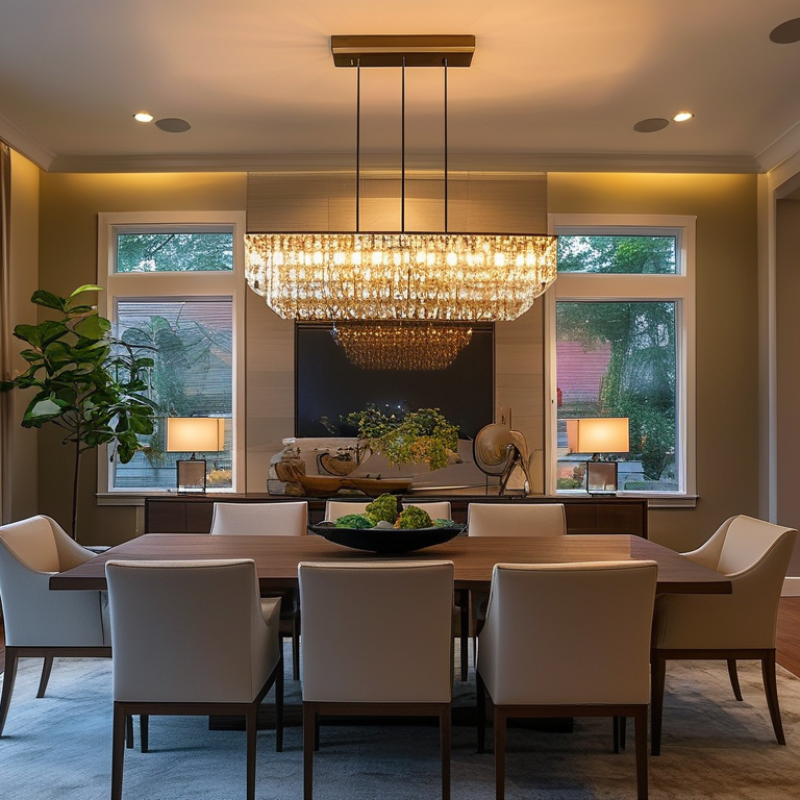
Understanding the Role of Decorative Lighting in Home Design
Decorative lighting plays a crucial role in home design. It shapes the mood and enhances the aesthetic of each space. Think of it as the jewelry of your home. The right fixtures can transform a room from ordinary to extraordinary.
Layering is a key technique. Combine ambient, task, and accent lighting for a well-rounded design. Consider a warm pendant light over the dining table. This not only illuminates but creates an inviting atmosphere for gatherings. Wall sconces can highlight artwork or architectural features. They add dimension to flat surfaces.
However, it's essential to reflect on your choices. Over-lighting can wash out a space, while poor placement can create shadows. Each room has different needs. A cozy reading nook requires soft, focused light. Meanwhile, kitchens benefit from brighter, cleaner lighting. Striking a balance is an art. Explore various styles, but be mindful of cohesion throughout your home. A mix can feel chaotic if not handled carefully.
Choosing the Right Style of Lighting Fixtures for Different Rooms
When choosing lighting fixtures for different rooms, consider the unique atmosphere each space requires. In living rooms, a combination of ambient and task lighting works well. Soft, warm light from floor lamps or recessed lighting can create a cozy environment. Add accent lighting to highlight artwork or architectural features. Thoughtful placement of these lights can draw attention and enhance the room's character.
In bedrooms, prioritize calming and soothing options. Pendant lights can add style, while bedside lamps should offer sufficient illumination for reading. Consider using dimmer switches to adjust intensity as needed. The goal is to create a sanctuary that feels restful yet stylish. For kitchens, focus on functionality with bright, focused lighting. Pendant lights over islands can offer both beauty and utility.
Remember, not every fixture will suit every space. Sometimes, you may find that a trending design clashes with your home's style. Take the time to evaluate how each light interacts with your decor and layout. The art of decorative lighting is about finding the right balance between form and function. Consider experimenting with different lighting arrangements until you discover what feels right for your home.
Layering Light: Combining Ambient, Task, and Accent Lighting
Lighting plays a crucial role in home design. Combining ambient, task, and accent lighting creates a balanced atmosphere. Ambient lighting provides the overall glow, filling the room with soft light. Think of ceiling fixtures and wall-mounted sconces that illuminate without harshness. You might consider dimmable options, enabling you to adjust the mood as needed.
Task lighting is essential for focused activities. Desk lamps and under-cabinet lights serve this purpose well. These fixtures should be bright enough for reading or cooking, yet not blinding. Choose fixtures that suit your decor but are functional as well. Perhaps you’ve noticed that some areas feel dark, despite the ambient light. This could signal the need for better task lighting.
Accent lighting highlights specific features in your home. Use spotlights to showcase artwork or architectural details. It adds depth and intrigue to a space. However, be mindful of overusing accent lighting. It can create a chaotic feel if not balanced with ambient and task lighting. Take time to observe how your lighting choices play off one another. Making small adjustments can enhance your entire home’s atmosphere, ensuring every area feels intentional and inviting.
Best Decorative Lighting Tips for Your Home Makeover
| Lighting Type |
Purpose |
Placement |
Best Fixtures |
Style |
| Ambient Lighting |
General illumination |
Ceiling |
Chandeliers, ceiling fixtures |
Contemporary, Modern |
| Task Lighting |
Specific activities |
Desks, countertops |
Desk lamps, under-cabinet lights |
Minimalist, Industrial |
| Accent Lighting |
Highlight features |
Walls, artwork |
Wall sconces, spotlights |
Traditional, Eclectic |
| Decorative Lighting |
Aesthetic appeal |
Living room, dining area |
String lights, decorative lanterns |
Bohemian, Vintage |
Color Temperature and Its Impact on Home Ambiance
Color temperature plays a crucial role in setting the mood of your home. Warm white light, typically around 2700K, creates a cozy atmosphere. It’s ideal for living rooms and bedrooms. Cooler temperatures, like 5000K, evoke a more energetic feel, perfect for kitchens or home offices.
Choosing the right color temperature can significantly impact your day-to-day life. Consider how each room is used. If you enjoy reading, opt for softer lighting. A dimmer might allow you to adjust brightness, creating versatility. Some people overlook this detail, despite its importance. A room may feel bland with the wrong lighting.
Experiment with different bulbs to find the right balance. Don’t hesitate to mix color temperatures in a single space. This can create depth and interest, but requires careful planning. Reassess your choices periodically. What suited you last year may not work now. Lighting can influence mood, energy, and even productivity.
Incorporating Smart Lighting Solutions for Modern Décor
When redesigning your home, smart lighting can dramatically enhance your decor. Incorporating smart bulbs and fixtures allows you to customize the ambiance in any room. These innovations often come with apps, giving you control at your fingertips. You can easily adjust brightness, color, and even set specific scenes for various occasions. Think of a cozy dinner or a lively gathering; smart lighting can set the perfect mood.
It's essential to consider the placement of your lights. Install dimmers in communal areas to create versatility. Pendant lights can draw the eye and act as statement pieces. A well-lit pathway using smart outdoor lights can guide guests while adding a touch of elegance. Additionally, exploring LEDs for task lighting can enhance the productivity in workspaces.
Many people overlook the importance of layer lighting. Ambient, task, and accent lighting all serve different purposes. Mixing these types can bring depth to your rooms. While experimenting, remember to reflect on what you really want each space to convey. Achieving the desired effect often requires trial and error. Don't hesitate to adjust and rethink the setup until it feels just right.
FAQS
: Combine ambient and task lighting. Use warm floor lamps and recessed lights. Highlight artwork with accent lighting.
Choose calming lights like pendants. Use bedside lamps for reading. Dimmers help adjust light intensity.
Focus on bright, direct lighting. Pendant lights over work areas add both beauty and utility.
Evaluate how each light fits your decor. A trendy design may clash with your home’s style.
Ambient, task, and accent lighting create balance. Ambient lights fill the room with soft light, while task lights target focused areas.
Warm white light is cozy; cooler light is energizing. Use the right temperature for each room's purpose.
Yes, but do it carefully. Mixing can add depth, though it requires thoughtful planning.
Check if task lighting is bright enough. Sometimes, adding more focused lighting can improve visibility.
Lighting needs may change over time. What worked last year might not fit your current preferences.
Don't overuse accent lighting. Balance it with ambient and task lights for a harmonious atmosphere.
Conclusion
Decorative lighting plays a crucial role in enhancing the aesthetic appeal and functionality of home design. Understanding its significance allows homeowners to choose the appropriate style of lighting fixtures tailored to different rooms. By layering light through a combination of ambient, task, and accent lighting, one can create a dynamic and inviting space.
Furthermore, color temperature significantly influences the ambiance of a room, making it essential to select the right tones to match your design theme. As modern decor trends evolve, incorporating smart lighting solutions can provide both convenience and versatility, allowing for customized atmospheres that align with personal tastes and lifestyles. Ultimately, utilizing decorative lighting effectively can transform any home into a beautifully illuminated retreat.

 Jiayu
Jiayu