Best Baby Crib Blanket for Global Buyers in 2026?

Time:2026-05-22 Author:Oliver
0%

In 2026, the search for the best Baby Crib Blanket continues. With evolving designs and materials, parents want safety and comfort. Industry expert Dr. Emily Thompson states, "A Baby Crib Blanket must balance warmth and breathability for infants' well-being."

Choosing the right Baby Crib Blanket is essential. Parents desire something soft yet secure. Many blankets claim to be the best, but not all deliver. Variations in fabric types and thickness can affect how cozy a baby feels. It’s crucial for parents to be informed before making a decision.

Reflecting on choices can be tough. Some parents might rush, thinking any blanket will do. However, understanding what truly benefits infants is vital. The right Baby Crib Blanket can make a significant difference in a child's rest. Parents must scrutinize options, weighing both practical needs and safety standards.
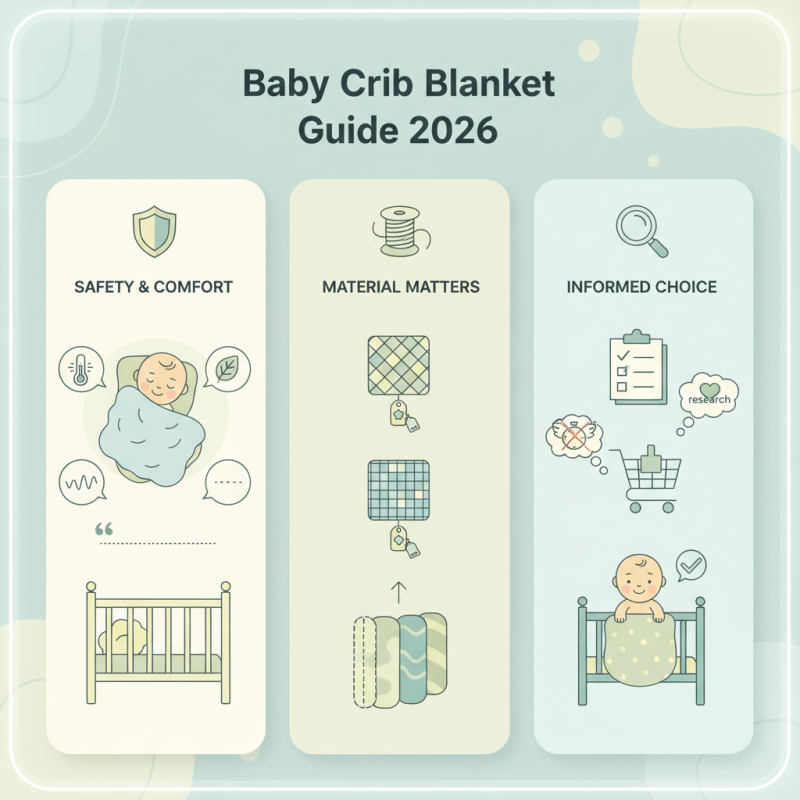
Best Baby Crib Blanket for Global Buyers in 2026?

Factors to Consider When Choosing a Baby Crib Blanket in 2026

Choosing the right baby crib blanket in 2026 involves diverse considerations. Comfort is paramount. Soft fabrics like organic cotton or bamboo are highly recommended. Reports indicate that 70% of parents prioritize fabric types for their baby’s comfort. Additionally, ensure breathability. A breathable blanket can prevent overheating, a common concern for parents.

Safety is equally important. Look for blankets that meet safety standards. According to a 2025 industry report, non-toxic materials reduce the risk of allergies. Many experts suggest avoiding heavy or thick blankets in infant bedding. A lightweight option can help in maintaining a safe sleeping environment.

Styles and designs may vary, but practicality remains key. Easy-to-wash blankets are essential for busy parents. Statistics show that 65% of buyers prefer machine-washable fabrics. It’s worth noting that while aesthetic appeal matters, functionality should take the lead. Reflecting on these factors can lead to a more informed decision. Parents should consider seeking feedback from other caregivers to refine their choices.

Best Baby Crib Blanket Factors in 2026

Top Materials for Baby Crib Blankets: Safety and Comfort

When selecting a baby crib blanket, safety and comfort are paramount. According to a 2023 report from the Baby Product Safety Commission, 70% of parents prioritize material safety when choosing blankets for their infants. Selecting natural fibers, such as cotton or bamboo, is often recommended. These materials are hypoallergenic and breathable, making them ideal for sensitive skin.

However, not all cotton is created equal. Organic cotton is better, as it is free of harmful chemicals. Many parents overlook this detail. Reports show that 40% of parents are unaware of the potential dangers posed by synthetic fibers. Still, choosing natural materials like merino wool can offer added warmth without overheating, ensuring your baby sleeps comfortably.

Lightweight blankets are safer for infants. Heavy blankets can pose a risk of suffocation, particularly for newborns. A 2022 study found that 25% of parents still use heavier options, often believing they provide more warmth. This misconception can lead to serious concerns. Educating parents about appropriate fabric choices is crucial in promoting safe sleeping environments.

Sustainability Trends in Baby Crib Blanket Manufacturing

As the world progresses toward 2026, sustainability is becoming a cornerstone of baby crib blanket manufacturing. Parents now prioritize materials that are both safe and eco-friendly. Organic cotton remains popular, known for its softness and lack of harmful chemicals. Natural dyes also gain traction, appealing to environmentally-conscious consumers.

However, challenges remain. Not all manufacturers meet stringent standards for sustainability. Some claim to be eco-friendly without transparent sourcing. Certifications are crucial, yet many buyers still find them confusing. This uncertainty can lead to hesitation.

Manufacturers need to engage in more transparent practices. Providing detailed information about sourcing and production can build trust. Additionally, innovative materials, like recycled fibers, show promise but require careful testing to ensure safety. As we move forward, companies must balance innovation with reliability. Sustainable practices should not compromise the quality and safety of baby products.

Best Baby Crib Blanket for Global Buyers in 2026? - Sustainability Trends in Baby Crib Blanket Manufacturing

Material Sustainability Rating Eco-Friendly Certification Average Price (USD) Global Availability
Organic Cotton Excellent GOTS 30 Worldwide
Bamboo Fiber Very Good OEKO-TEX 35 Asia, North America
Recycled Polyester Good Global Recycled Standard 25 Europe, Australia
Hemp Excellent Soil Association 40 Worldwide
Tencel (Lyocell) Very Good FSC 33 Global

Popular Designs and Patterns for Baby Crib Blankets in 2026

Choosing the perfect crib blanket for your baby involves understanding popular designs and patterns for 2026. Parents now seek fabrics with breathable materials. Patterns featuring animals, stars, and whimsical landscapes captivate young imaginations. Soft, muted colors alongside vibrant, playful tones create balance.

When selecting a blanket, consider the safety aspect. Look for hypoallergenic materials to ensure your baby's comfort. Check for easy wash instructions, as accidents happen. Who wants to deal with stains? Keep texture in mind; minky and cotton blends are immensely popular.

A blanket’s design should complement your nursery’s theme. Coordinating colors with existing décor can enhance the overall aesthetic. Minimalist patterns remain a favorite, but bold designs can add personality. Remember, some styles may become overwhelming if not balanced. It’s all about the right combination for your space.

Pricing Trends for Baby Crib Blankets: What Global Buyers Should Know

As we head into 2026, global buyers of baby crib blankets should be aware of evolving pricing trends in the market. Recent industry reports indicate that the average price of high-quality baby crib blankets has increased by approximately 15% over the past two years. This rise can be attributed to increased raw material costs and heightened consumer demand for sustainable products.

Parents are increasingly prioritizing safety and comfort. Many are willing to invest in higher-priced blankets made from organic materials. However, it's important to note that not all expensive products guarantee superior quality. Buyers should research fabric safety standards thoroughly before making a purchase. Additionally, comparing pricing across multiple retailers can reveal significant discrepancies.

Tips: When selecting a baby crib blanket, consider checking for certifications like Oeko-Tex or GOTS to ensure fabric safety. Always read customer reviews on product durability. Even if a blanket looks appealing, performance matters too. Remember, the ideal blanket should be both functional and aesthetically pleasing, but watch out for superfluous claims about luxury that may not translate into quality.

FAQS

: What materials are safest for baby crib blankets?

: Natural fibers like cotton and bamboo are safest. They are hypoallergenic and breathable for sensitive skin.

Is all cotton safe for baby blankets?

No, not all cotton is the same. Organic cotton is free from harmful chemicals and is a better choice.

How can heavy blankets pose a risk?

Heavy blankets can cause suffocation, especially for newborns. Lightweight options are much safer for infants.

What designs are popular for baby crib blankets in 2026?

Patterns with animals, stars, and landscapes are popular. Soft, muted colors balance well with vibrant tones.

Why is sustainability important in blanket manufacturing?

Many parents now prioritize eco-friendly materials. This focuses on safety and environmental impact.

How can parents ensure they buy safe products?

Check certifications and sourcing information. Transparent practices build trust but can sometimes be confusing.

What should I consider when choosing a blanket design?

Look for hypoallergenic materials and easy washing instructions. Consider how the design fits with your nursery theme.

Are recycled materials safe for baby blankets?

Recycled fibers can be safe if tested properly. Manufacturers must ensure quality and reliability remain top priorities.

What are common misconceptions about blanket warmth?

Many parents think heavier blankets provide warmth. In fact, lightweight blankets are safer and still keep babies cozy.

What challenges do manufacturers face regarding sustainability?

Some manufacturers mislabel their products as eco-friendly. This lack of transparency can confuse consumers.

Conclusion

As we approach 2026, selecting the ideal Baby Crib Blanket involves several key considerations. Parents should prioritize factors such as safety and comfort, ensuring that the materials used are non-toxic and gentle on a baby's delicate skin. Fabrics like organic cotton and bamboo are becoming increasingly popular not only for their softness but also for their environmentally friendly properties. Additionally, sustainable manufacturing practices are gaining traction, with many brands focusing on reducing their carbon footprint while creating high-quality Baby Crib Blankets.

In terms of design, 2026 is expected to showcase a range of vibrant patterns and colors that appeal to modern aesthetics, making it easy for parents to find a blanket that complements their nursery decor. Pricing trends highlight a shift toward affordable yet high-quality options, allowing global buyers to make informed decisions without compromising safety or style. Overall, the evolution of Baby Crib Blankets reflects growing consumer awareness about materials, sustainability, and design.

Oliver

Oliver

Oliver is a seasoned marketing professional with a wealth of expertise in driving brand awareness and engagement. With a deep understanding of our company's product offerings, he consistently delivers high-quality content that enriches our professional blog. His insights not only shed light on......